Dallas Fort Worth International Airport (DFW)
Dallas/Fort Worth International Airport (DFW) is one of the largest and most connected airports in the world, situated midway between Dallas and Fort Worth in North Texas. It is the primary hub for American Airlines and a major gateway for domestic and international travel across the United States and beyond.
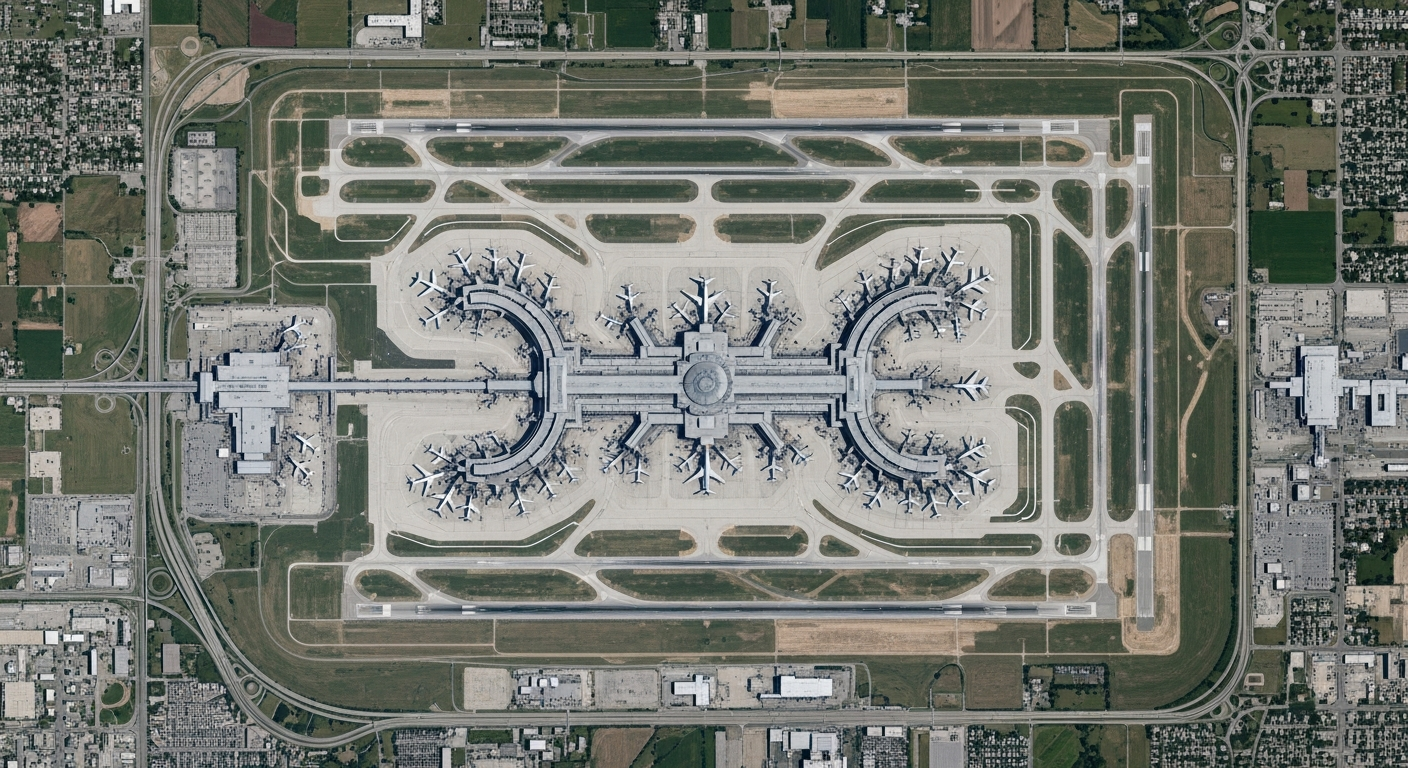
Overview of Dallas/Fort Worth International Airport
DFW operates as the backbone of North American aviation for American Airlines, offering an unmatched combination of domestic reach and international long-haul capacity. The airport spans more than 17,000 acres — larger than the island of Manhattan — and features seven runways capable of handling simultaneous wide-body aircraft operations.
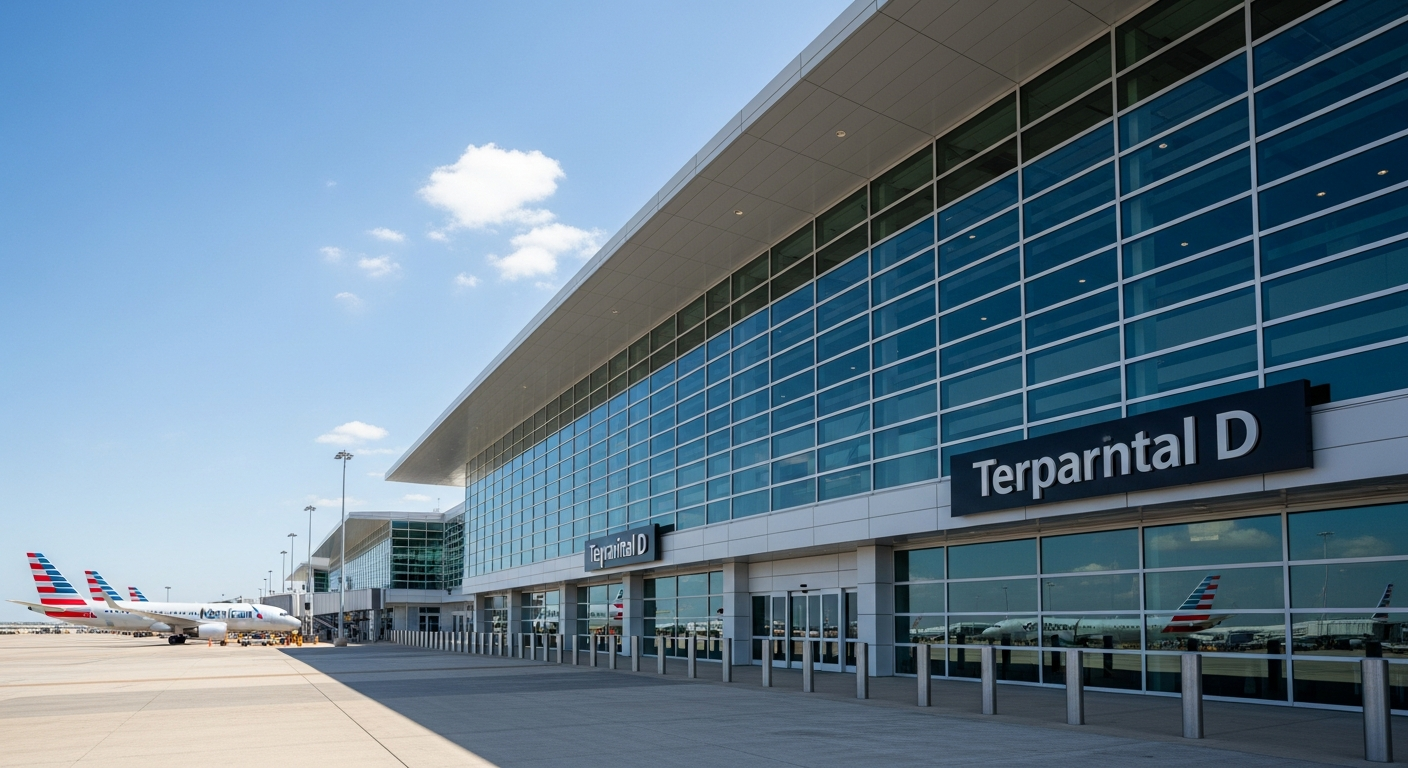
Five terminals (A, B, C, D, and E) are arranged in a distinctive semicircular layout that minimizes aircraft taxi time and maximizes efficiency. Terminal D serves as the dedicated international terminal, providing customs and immigration facilities for long-haul arrivals from Europe, Latin America, Asia, and beyond. The Skylink automated people mover connects all five terminals on the airside, allowing connecting passengers to move between concourses without clearing security again.
DFW's central geographic location in the contiguous United States makes it an ideal connecting hub, with the ability to reach almost any domestic destination within four hours of departure. The airport consistently ranks among the top five busiest in the world by total operations.
History of Dallas/Fort Worth International Airport
DFW opened in 1974 as a joint project between the cities of Dallas and Fort Worth, designed to replace several smaller regional airports. Its central location and large land footprint allowed for long-term expansion and efficient aircraft movement.
Over the decades, DFW has undergone major development, including the construction of Terminal D for international travel and continuous modernization of terminals, roadways, and passenger facilities.
Terminals at Dallas/Fort Worth International Airport
DFW has five terminals: A, B, C, D, and E. Terminal D is the primary international terminal. Terminals A, B, C, and E handle domestic and mixed-use operations.
The airport is designed in a semi-circular layout that allows aircraft to move efficiently while minimizing taxi times. Passengers can travel between terminals using the Skylink train system, which operates airside and connects all terminals quickly.
Airlines and Destinations at Dallas/Fort Worth International Airport
DFW is the largest hub for American Airlines, offering extensive domestic and international connectivity. Other airlines operating at DFW include Delta Air Lines, United Airlines, Southwest Airlines, Alaska Airlines, and international carriers across Europe, Asia, and Latin America.
The airport provides nonstop service to hundreds of destinations worldwide, making it one of the most connected airports in the United States.
Amenities at Dallas/Fort Worth International Airport
DFW is known for efficient passenger flow and strong amenities throughout its terminals. Travelers enjoy free Wi-Fi, multiple American Airlines Admirals Club lounge locations, a wide range of dining and retail options, and multiple TSA checkpoints for faster security processing.
The Skylink system significantly improves the passenger experience by reducing connection times between terminals.
Ground Transportation to and from Dallas/Fort Worth International Airport
DFW is centrally located between Dallas and Fort Worth and is accessible via multiple transportation options. DART Orange Line rail service connects the airport to downtown Dallas. Major highway access includes TX-183, TX-360, and I-635. Rideshare services and taxis serve all terminals, and a rental car center is accessible via shuttle from the terminals.
Parking at Dallas/Fort Worth International Airport
DFW offers comprehensive parking options to suit all travel needs. Short-term, long-term, remote, and valet parking are all available on airport property. Parking reservations can be made in advance through the official DFW Airport website.
Passenger Tips for Dallas/Fort Worth International Airport
Arrive at least 2 hours before domestic flights and 3 hours before international departures to allow time for check-in, security screening, and reaching your gate. DFW has multiple TSA checkpoints across its five terminals, with TSA PreCheck and CLEAR lanes available to eligible travelers. When connecting between terminals, use the Skylink airside train to avoid exiting security.
Because of DFW's size, passengers making connections should allow extra time — distances between terminals can be significant even with Skylink. Check your gate information as early as possible and confirm which terminal your departure is in before leaving the arrival gate. The DFW Airport app and website display real-time TSA wait times and gate information, which can help you plan your path through the airport.
Economic Role of Dallas/Fort Worth International Airport
DFW is a major economic engine for North Texas and one of the most important logistics and transportation hubs in the United States. It supports international trade, tourism, and corporate travel while contributing billions of dollars annually to the regional economy. Its central geographic location makes it ideal for airline hub operations and cargo distribution.
Future Development at Dallas/Fort Worth International Airport
DFW continues to invest in infrastructure upgrades, including terminal renovations, sustainability initiatives, and capacity expansion projects. These improvements are designed to support long-term passenger growth and maintain operational efficiency. Ongoing modernization efforts aim to enhance both passenger experience and environmental performance.
Role in the Aviation System
Dallas Fort Worth International Airport plays a central role in the U.S. aviation network. It is one of the country's major primary commercial airports and functions as a large hub for domestic and international passenger traffic. Because of its location near the center of the continental United States, DFW is especially important for connecting east-west and north-south traffic flows.
DFW serves not only the Dallas–Fort Worth region, but also a much broader national and international network through its hub function. As the largest hub for American Airlines, it handles substantial connecting traffic in addition to local passenger demand. Its extensive runway system, high flight volume, and broad route network make it one of the most important connecting airports in the country.
Within North Texas, DFW operates as the region's primary large-scale international gateway. Other airports in the region may serve secondary, reliever, or more specialized roles, but DFW remains the dominant airport for long-haul service, global connectivity, and large-scale hub operations.
In practical terms, DFW can be understood as:
- a primary commercial airport
- a major airline hub
- a domestic and international gateway
- a high-capacity connecting airport
- a core part of the national air transportation system
Alternative Airports
Airports within approximately 60 miles of Dallas/Fort Worth International Airport that may provide additional scheduled commercial, regional access.
- DAL / KDAL — Dallas Love Field Airport
Summary
Want to explore more airports like DFW? Use Airport Explorer to spin the globe, discover airports worldwide, and instantly access their official websites.
Frequently Asked Questions
What airlines operate at DFW?
American Airlines is the primary carrier, along with Delta, United, Southwest, and several international airlines.
How early should I arrive at DFW?
Arrive 2 hours before domestic flights and 3 hours before international departures.
Does DFW have international flights?
Yes, international flights primarily operate from Terminal D.
How do I get to DFW from downtown Dallas?
You can take the DART Orange Line, drive via major highways, or use rideshare and taxi services.
Official Airport Website
For the most current flight schedules, parking availability, terminal maps, and ground transportation updates, visit the official Dallas/Fort Worth International Airport website.
Dallas/Fort Worth International Airport Official Site